
Starting or scaling a business in the United States often brings a quick reality check: traditional overhead will eat your margins alive.
Commercial leases, local utility accounts, on-site administrative staff, and state-by-state filing requirements add up fast.
For modern entrepreneurs, digital nomads, and growing remote teams, physical office space is no longer a mandatory prerequisite for operational growth.
Instead, a virtual address infrastructure lets you build a multi-state operational footprint, stay compliant, and handle commercial correspondence from anywhere in the world.
1. Eliminate Physical Mail Friction with Digital Mail Management
Managing physical paper mail in a remote environment is a silent productivity killer.
Sorting invoices, tax forms, compliance notices, and vendor checks by hand ties you to a fixed location.
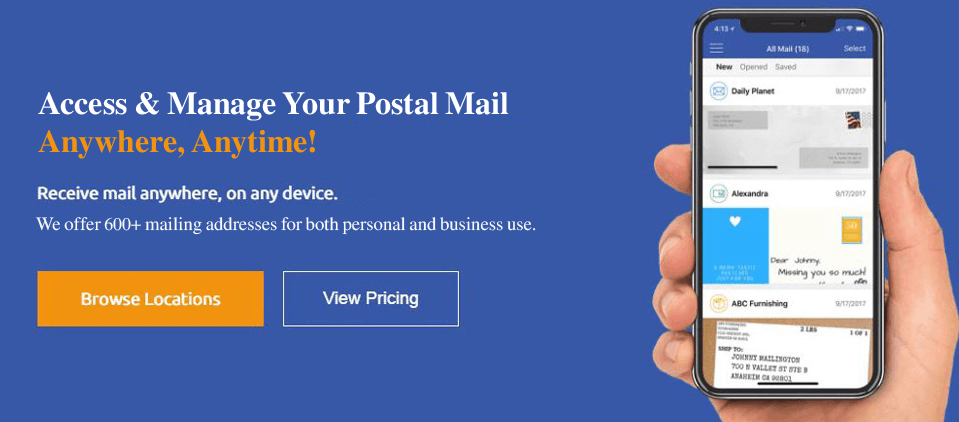
Using a dedicated Virtual Mailbox service modernizes this workflow by turning physical mail into a secure digital dashboard:
- Real-Time Scanning & Processing:
Physical mail arriving at a designated facility is scanned (envelope exterior first). Through our secure Mail Scanning services, you decide whether to open and scan the contents, forward the physical item, archive it, or securely shred it. - Consolidated Package Handling:
Unlike standard U.S. Postal Service (USPS) P.O. Boxes—which reject deliveries from commercial carriers—a specialized virtual mail setup receives packages from UPS, FedEx, DHL, and USPS seamlessly through streamlined Mail and Package Forwarding. - Centralized Team Access:
Delegating administrative tasks becomes straightforward. You can assign specific team members access to view incoming documents, invoice approvals, or legal papers without sending physical mail across the country.
2. Separate Personal Privacy from Public Business Records
When registering an LLC or Corporation in the United States, state agencies require a physical address for public record.
Many home-based business owners make the mistake of listing their personal residence on official state filings.
Listing your home address creates clear risks:
- Public Exposure:
Your personal address becomes accessible to anyone searching state business databases, opening your home to junk mail, cold visits, and privacy issues. - Registered Agent Requirements:
Official state correspondence and legal notices (Service of Process) require a physical location where someone is available during standard business hours. Using a designated Virtual Address for LLC formation keeps your business fully compliant. - Brand Image:
Presenting a residential street or a standard P.O. Box on client-facing invoices and contracts can undermine trust with institutional buyers or enterprise clients.
Utilizing a commercial Virtual Business Address fulfills statutory location requirements while keeping your home address private.
3. Scale into New U.S. Markets Without Local Leases
Expanding into major U.S. commercial hubs—like New York, Los Angeles, Chicago, or Austin—typically demands steep capital outlay.
If your business model doesn’t require physical foot traffic, paying commercial real estate rates just to secure local presence makes little financial sense.
By securing commercial street addresses across top American metropolitan areas by choosing from our extensive list of Virtual Mailbox Locations, you can:
- Test regional markets before making large capital investments.
- Build local brand trust with regional clients who prefer dealing with businesses in their immediate geographic area.
- Maintain a centralized corporate hub while giving your sales teams regional placement across key U.S. regions.
Standard P.O. Box vs. Virtual Business Address
Understanding which mail solution fits your business model is essential before filing state paperwork or changing commercial shipping routes. For a complete look at how traditional options stack up against digital setups, see our Virtual PO Box alternative guide.
| Feature | Standard USPS P.O. Box | Virtual Business Address |
| Accepted Delivery Carriers | USPS Only | USPS, UPS, FedEx, DHL, Local Couriers |
| LLC / Corp Registration Accepted | No (Rejected by most Secretaries of State) | Yes (Commercial street address approved) |
| Digital Content Scanning | No | Yes (High-resolution PDF scanning) |
| Physical Location Privacy | Partial | Complete (Keeps home address off public records) |
| Remote Mail Forwarding | Basic (Local forwarding only) | Global & On-Demand Forwarding |
Key Steps to Set Up Your Virtual Mail Infrastructure
Transitioning your business mail to a digital system takes just a few steps:
- Select Your Primary Location:
Choose a commercial address in a state that aligns with your LLC formation or operational goals. - Complete USPS Form 1583:
The United States Postal Service requires this legal document to grant commercial mail receiving agencies (CMRAs) permission to accept mail on your behalf. Learn how to complete your form seamlessly with our step-by-step USPS Form 1583 Guide. - Notarize the Document:
You can complete the required notarization online using a standard remote notary service along with two forms of valid government ID. - File Your Change of Address:
Update your business records with banks, state filing agencies, vendors, and through official USPS change-of-address channels.
Please get in touch with us for all the information about our company and how we can help your needs.
Even if you don’t have a worldwide virtual address can get one.
▼ You Might Also Like ▼
- 7 Benefits for Having Virtual Office Address For Home Business
- How to Register a Virtual Address for your LLC?
- Best Methods of Shopping and Shipping From The USA

