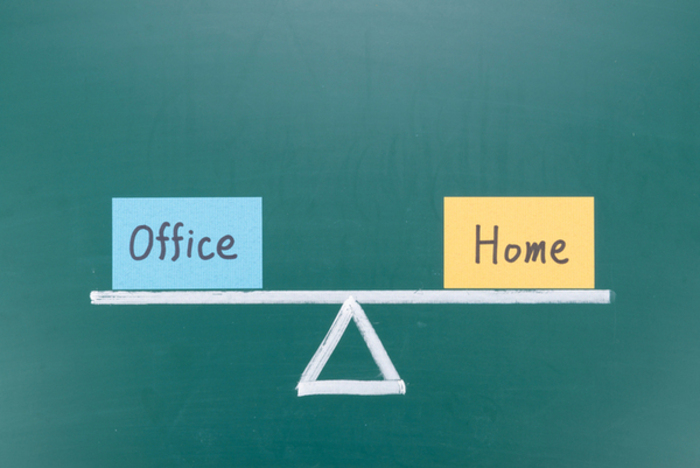
Working from home gives you flexibility, but it also strips away the natural structure of a regular office. When your home is your workplace, it is easy to get distracted, feel isolated, or end up working all night.
The 7 Hardest Parts are:
1. Weak Wi-Fi and Tech Glitches
Nothing ruins a workday faster than a frozen video call or an internet outage right when a deadline is due.
- Set up a backup connection:
Know how to turn your smartphone into a mobile hotspot before you actually need it. If your home internet goes down, you can switch over instantly. - Skip public Wi-Fi for important work:
Coffee shop internet is fine for reading, but it is usually too slow and unsafe for important video meetings or sending private files.
2. Constant Home Distractions
When you work where you live, chores, family, pets, and phone notifications constantly break your focus.
- Block out your time:
Instead of working off a random to-do list, schedule specific blocks of time on your calendar for deep work, checking email, and taking breaks. - Get dressed for work:
You do not need to wear a suit, but changing out of your pajamas signals to your brain that it is time to get things done. - Set boundaries with family:
Let the people you live with know your exact working hours so they know when not to disturb you.
Read more about: How To Use Your Virtual Address To Register Your LLC?
3. Not Having a Real Workspace
Working from your couch or bed hurts your posture and makes it hard for your brain to separate work time from rest time.
- Pick one dedicated work spot:
You do not need a whole spare room. A specific corner of a table or a small desk works fine. Use that spot only for work. - Pack your stuff away at night:
When your workday ends, close your laptop and put your papers out of sight so you can enjoy your evening without staring at work.
4. Procrastination and Poor Time Management
Without a manager walking past your desk, it is easy to put off tough projects until the last minute.
- Start with 25-minute sprints:
Work for 25 minutes straight, then take a 5-minute break. This simple timer trick keeps your mind focused and prevents burnout. - Do the hardest task first:
Tackle your most important project first thing in the morning before you open your inbox or look at group chats.
5. Communication Troubles
It is easy for messages to get misunderstood or lost when you cannot just walk over to a coworker’s desk to ask a quick question.
- Write complete, clear messages:
Instead of sending short, messy texts back and forth, take a extra minute to write out all the details in one clear email or update. - Use modern tools:
Keep work chatter organized in tools like Slack or Microsoft Teams, track shared projects in Trello, and save files in Google Drive.
6. Feeling Lonely and Isolated
Working alone all day can make you feel disconnected from the rest of your team and drain your energy over time.
- Switch up your view once a week:
Spend an afternoon working from a library, a quiet local cafe, or a shared workspace just to be around people. - Catch up with teammates:
Set up quick, 10-minute virtual coffee chats with coworkers just to say hello and talk about life outside of work projects.
7. Overworking and Burnout
When your office is right in your living room, it is very easy to keep working past your usual hours, reply to emails late at night, and burn yourself out.
- Set a strict stop time:
Decide what time your workday ends (for example, 5:00 PM) and shut down your computer when the clock hits that time. - Turn off work notifications on your phone:
Silence work email and chat alerts on your phone after hours so you are not tempted to check them before bed.
Read more about: How to Grow Your Business Without Spending Extra Money?
In the end, Whether you are launching a business or building a healthy remote routine, long-term success comes down to basic, repeatable habits rather than quick fixes.
Focusing on clean organization, setting clear boundaries, and protecting your time and resources creates a strong foundation that keeps your work structured, manageable, and built to last.