Moving overseas as an expatriate is an exciting transition, but it brings unique administrative challenges.
One of the most critical and often overlooked tasks is deciding what to do with your domestic mail.
Managing incoming correspondence from thousands of miles away requires a clear strategy to ensure you remain compliant, connected, and in control of your affairs.
Why You May Still Need a U.S. Mailing Address
Even if you intend to establish permanent residency in another country, completely severing your U.S. paper trail is rarely feasible or advisable.
Many American institutions and government bodies require a domestic mailing address to maintain active accounts and fulfill legal obligations.
reasons to retain a U.S. mailing address:
- Financial Accounts:
U.S. banks, credit card issuers, and brokerage firms typically require a U.S. address on file due to federal regulatory and Know Your Customer (KYC) requirements. - Tax Compliance and Government Notices:
The IRS, state tax agencies, and the Social Security Administration issue critical, time-sensitive tax documents and correspondence via physical mail. - Voter Registration:
Maintaining active voting status in your last state of residence generally requires a domestic mailing address. - Legal and Business Operations:
If you manage a U.S.-registered LLC, work as a remote contractor, or hold active state professional licenses, you need a reliable domestic address to receive legal service and compliance notices.
What Happens If You Give Up Your Mailing Address
Completely abandoning a U.S. mailing address without a plan can cause significant operational disruptions.
- Account Freezes or Closures:
Financial institutions routinely flag or freeze accounts when mail is returned as undeliverable or when an overseas address flags a violation of internal policy. - Missed Critical Deadlines:
Tax notices, jury duty summonses, insurance policy updates, and vehicle registration renewals often arrive with strict response windows. Missing these can result in legal penalties, lapse in coverage, or accrued fines. - Increased Risk of Identity Theft:
Unattended mail sitting in an unmonitored mailbox or falling into the wrong hands poses a serious security risk for identity fraud.
Who Still Sends Important Mail
While much of the world has transitioned to digital communications, several key entities rely heavily on paper mail:
- Federal & State Government Agencies:
IRS tax forms (like 1099s and W-2s), state tax department notices, and election ballots. - Financial Institutions:
Replacement debit and credit cards, bank statements, legal notices, and tax reporting forms. - Insurance Providers:
Health, life, property, and vehicle policy renewals or claim checks. - U.S. Retailers:
Merchants that do not support international billing addresses or ship outside the United States.
Your Options for Receiving Mail While Living Abroad
Expats generally choose from four main strategies to handle incoming U.S. mail:
1. Asking Family or Friends
Using a relative’s or friend’s address is the go-to short-term move for a lot of people heading abroad.
It’s free, but it gets old quickly. You are asking someone else to organize, open, or forward your private mail, which puts an annoying chore on their plate and leaves you with zero privacy.
2. Using a Traditional P.O. Box
Renting a box at the local post office gives your mail a physical landing spot.
However, Someone still has to physically go clear out the box so it doesn’t overflow. On top of that, banks usually reject P.O. boxes for identity checks, and private carriers like UPS and FedEx won’t deliver to them.
3. Setting Up Mail Forwarding Services
Paying a service to bundle up your physical mail and send it to your new foreign address.
You get the actual paper in hand, but international shipping costs stack up fast. Between customs holds and slow delivery times, a simple letter can take weeks to land on your desk.
4. Utilizing a Virtual Mailbox Service
A modern, digital solution where your physical mail is received at a secure facility, and the exterior of each envelope is scanned and uploaded to a digital portal or mobile app.
This approach gives you a real street address at a secure facility. When mail arrives, the staff scans the outside of the envelope and uploads it to an online portal or app.
From your phone, you tell them whether to open and scan the inside, forward the package, deposit a check, or shred it.
You get a legitimate street address (which keeps banks happy), fast access to your letters, and total control over what gets forwarded.
Services like PostScan Mail offer huge networks of physical addresses specifically designed for this setup. The only trade-off is a predictable monthly subscription fee.
How to Choose the Right Mail Solution
To figure out which path works for you, run through these questions:
- Does it offer a real street address?
Make sure you get an address with a real street name and suite number, not a P.O. Box number, so your financial accounts pass compliance checks. - How often are you moving?
If you plan to hop between countries every few months, handling everything online is vastly easier than constantly updating forward addresses. - How are packages handled?
If you like buying items from U.S. online stores, pick a service that can bundle multiple packages into one box to save you money on overseas shipping.
Is it secure? Look for facilities with strict privacy protocols that offer verified document shredding so your personal details stay safe.
Common Mistakes
Avoid these frequent pitfalls when establishing your overseas address strategy:
- Filing a USPS Change of Address to an International Location:
The U.S. Postal Service does not forward individual letters internationally via standard standard forwarding orders. Attempting this often results in lost mail. - Assuming Everything Can Be Done Paperless:
While opting into e-statements helps, certain legal notifications, new credit cards, and tax items are sent via physical paper by default. - Waiting Until After You Move:
Registering your address, submitting necessary verification forms (such as USPS Form 1583 for commercial mail receiving agencies), and updating your accounts takes time. Set up your mailing plan at least 30 days before departure.
Handling your mail might feel like a minor detail in the grand scheme of an international move, but getting a solid plan in place beforehand prevents unnecessary headaches later on.
Whether you rely on a trusted family member, set up a virtual mailbox service, or use a combination of options, maintaining a stable domestic address keeps your financial accounts active, your taxes compliant, and your personal information secure.
Take the time to evaluate your options, complete your paperwork early, and set up a system that runs smoothly so you can focus on enjoying your life abroad without worrying about what’s piling up in a mailbox back home.
Access & Manage Your Postal Mail Anywhere Anytime! Receive mail anywhere, on any device. We offer 1000+ mailing addresses for both personal and business use.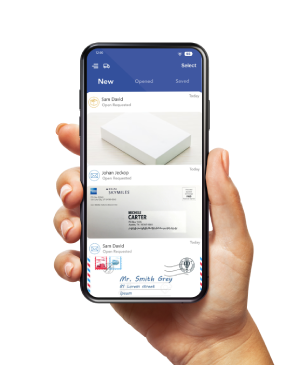
▼ You Might Also Like ▼