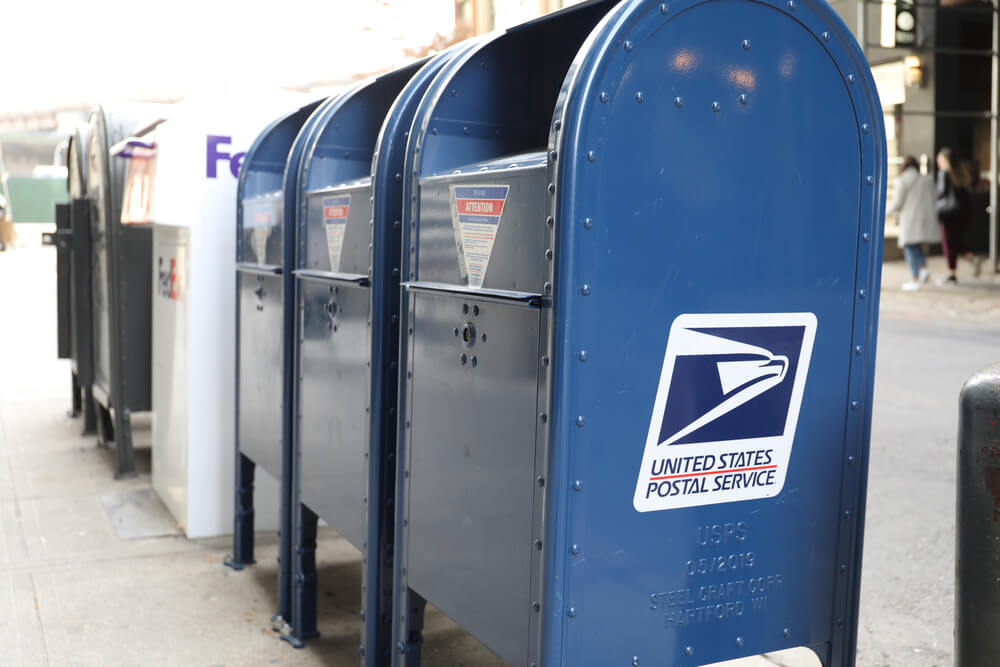
Choosing where to receive your mail can seem simple until you start thinking about what you actually receive, how often you need access to it, and whether you need packages handled too.
A convenient location might be the most important thing for someone who picks up mail regularly. For someone who travels often, mail forwarding and online access may matter more. If you run a business, you may also need to check whether the address can be used for your particular business needs.
Before choosing a mail drop box or mailbox location, consider how you use your mail and what you expect from the service.
How to Choose a Mail Drop Box Location
Choose a Mailbox That Fits Your Needs
the right choice depends on your situation. A residential mailbox works well if you live at the property and receive most of your mail there.
It is convenient for everyday personal correspondence but may not be practical if you travel frequently or need someone to manage your mail while you’re away.
A PO Box can be useful if you want a separate mailing address and prefer to collect your mail from a post office. However, PO Boxes have specific rules and limitations, so they may not work for every type of mail, package, or business need.
A private mailbox or commercial mailbox can provide a street address and may be useful for people or businesses that receive mail and packages regularly.
A virtual mailbox is another option if you want to manage your mail remotely. Instead of visiting a physical mailbox every time something arrives, you can typically use online tools to request services such as mail scanning or forwarding, depending on the provider and plan.
Look at the Location
If you choose a physical mailbox or a service with a specific location, think about how often you may need to visit it.
For example, a location close to your home or workplace can make in-person pickup much easier.
If you travel frequently, however, being close to the mailbox may not matter as much as having reliable forwarding or remote access.
You should also consider where you normally spend your time. A location near your home may be convenient for personal use, while a location near your business, office, or regular travel route may make more sense for business-related mail.
If you’re choosing a virtual mailbox, the physical location can still matter. You may occasionally receive a package or piece of mail that needs to be forwarded to you, so consider how the provider handles those items before choosing an address.
Check What the Location Accepts
Not everyone receives the same type or amount of mail.
If you mainly receive letters, a basic mailbox may be enough. If you regularly receive packages, you’ll want to check whether the location accepts packages and whether there are any size, carrier, handling, or storage restrictions.
Before signing up, find out:
- Which types of mail and packages the location accepts
- Whether packages from different carriers can be received
- How long mail and packages can be stored
- Whether additional handling fees apply
- What happens when a package is too large for the location
- Whether you can request forwarding
Think About How You’ll Get Your Mail
If you’re usually nearby, visiting a mailbox in person may be all you need. But if you travel for work, spend part of the year away from home, or live in more than one place, remote access can be much more useful.
Some virtual mailbox services let you receive a notification when mail arrives and request services such as opening and scanning, forwarding, or shredding, depending on the provider.
That means you can manage your mail without having to be physically present at the mailbox location.
Check the Cost Before Choosing a Location
Price is another factor to consider, but don’t look at the monthly rate alone.
Depending on the type of mailbox or service you choose, you may also pay for:
- Mail forwarding
- Package forwarding
- Scanning
- Additional recipients
- Storage beyond the included period
- Special handling
- Extra packages or mail volume
A lower monthly price isn’t necessarily the cheaper option if you regularly need services that cost extra.
Before choosing a location, look at the full cost based on how you expect to use the mailbox.
Make Sure the Address Works for Its Intended Purpose
This is particularly important if you’re choosing a mailbox for a business.
A mailing address is not automatically suitable for every purpose. Requirements can vary depending on what you’re trying to do and which organization you’re dealing with.
For example, the address you use to receive everyday business mail may not automatically satisfy the requirements for a registered agent, government filing, bank account, license, or another business service.
Before using a mailbox address for an important application or registration, check the requirements of the organization involved.
How to Find a Mailbox Location
Once you know what type of mailbox you need, finding a location is fairly simple.
Use the USPS Locator
If you’re looking for a USPS location or PO Box, you can use the USPS Locator to search for post offices and other USPS locations near you. You can search by city, state, or ZIP Code and check the services available at each location.
Check Private and Virtual Mailbox Providers
If you’re looking for a private mailbox or virtual mailbox, visit the provider’s website and look through its available locations. Compare the locations that are convenient for you and check the services and fees before choosing one.
For a virtual mailbox, you can usually manage your mail without visiting the location regularly, but check the provider’s rules for mail forwarding, package receiving, scanning, and storage before signing up.
Making Your Final Mailbox Decision
the best mail drop box location isn’t necessarily the closest one or the cheapest one. It should fit how you actually receive and manage your mail.
If you only need a place to collect letters, a basic mailbox or PO Box may be enough. If you receive packages regularly, pay closer attention to package handling and storage. And if you travel often or want to manage your mail remotely, a virtual mailbox may give you more flexibility.
Take a few minutes to compare the location, services, restrictions, and total cost before choosing. That way, you can pick a mailbox option that works for your situation instead of discovering limitations after you’ve already signed up.